ETM: Integrated IP Address Management Solutions

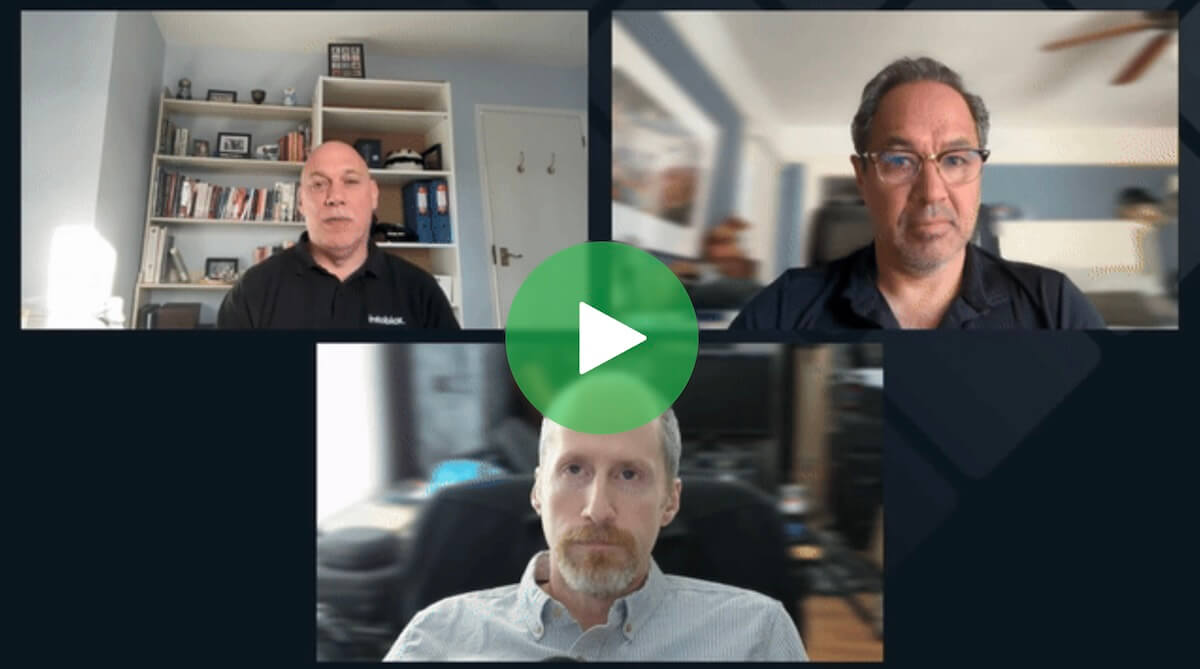
ETM's Pinar Gencturk interviews Steve Garrison, Infoblox Marketing Vice-President about the fundamental role of IP addresses in the IT space. Steve provides knowledge in network infrastructure automation, especially through virtualization and cloud initiatives.

Duration: 13 minutes

Download Podcast (.mp3)


Podcast Transcript:

Pinar: Why is there so much talk around IP addresses these days?

Steve: The world has moved to an IP network and IP enabled devices. When you do an e-commerce transaction you are literally leveraging IP technology, when you do your daily tasks with e-mail, you are dealing with IP technology. The Apple era, and the consumerization of IT has changed the world with iPads and iPhones. But slowly applications changing the game are things like IP in manufacturing for RFID an orchestration of individual elements within a workflow or a supply chain management environment. On the finance side as I mentioned even just mobile payments now and doing banking transactions over your phone. Look at healthcare where you have got pads and tablets and your patient data is now moving with you or with the Doctor and tracking that and making sure that is secure is a big issue.

Pinar: It certainly is a critical IT area but what are you seeing as the issues facing customers in this space?

Steve: Well at the C level and the executive level it really is a challenge between being strategic and being tactical or reactive. What our customers and partners help us see is that they are looking for new tools or IT trends that can help them fight this battle and one of the challenges is just complexities on the rise like mobility, more users, addresses, it adds to the complexity of the daily operation.

It comes back down to change and how do you have an organization tackle change and one of the things that we have been working on hence network infrastructure automation is the concept of bringing automation to IT particularly IP life cycle or DNS domain name services automation and why does that matter. If you are trying to wrestle complexity and scale the operational savviness of your team this is a new tool and what we are helping people do is take their best practices or gold standards and packages and policies and scripts or templates, to allow machines to now pick up the mundane tasks, and have the machines basically build a foundation for layers and layers and layers of automation one step at a time. One of the things IT guys are opposed to do is put strategic people on mundane tasks and that is what we think automation does to help them change the game.

Pinar: Moving onto a really popular area how does the adoption of Virtualization and Cloud initiatives tie into network automation?

Steve: Well that's a great point and we are seeing some really fascinating data there from not only companies like IDC with Forrester but our customers are telling us the same thing and it is the challenge or the frustration over the history of networking which is traditionally networks are static. With virtualization you are now trying to get at the end of the day to construct an elastic framework where you can shrink and grow applications on demand; that is one of the aspects of Cloud. Underneath that that means you are turning up and off virtual machines on-the-fly so you have got another life cycle management challenge and if they are, hypothetically, moving you from one location to another sort of application mobility type question, now you have got to be able to figure out where is my data and how do I track that. So the IP address is a fundamental piece.

We do see people looking at virtualization first and foremost for power cooling and the footprint or reduction of space in the datacenter as your foundation. However, most of our customers start with static IP addresses in a virtual environment as the first stepping stone, get their arms around virtualization and again are looking for new management tools and new tricks to help them understand how to make that environment dynamic but not lose control.

Pinar: And what about IPv6, how does that tie into network automation?

Steve: If you go back to this concept of automation these things used to be done on spreadsheets. It is a lot harder to memorize them and if you are making things change and you are growing a number of them that would want to track 1,000 IPv6 addresses in a mobile environment. That is where we get into even more complexity and more need for automation of IPv6 addresses.

We are seeing the service providers start now because they are really using a lot of addresses, especially with handheld technology products like the iPhone and iPad being consumed throughout the world. From the service provider side we are seeing governments with initiatives around this because there is additional security hooks in IPv6 which we are also seeing in University environments because they have built a lot of global research networks and they are pioneers in this market as well as the service providers.

The real shock to me though was meeting a lot of e-commerce savvy customers this year who have global footprints and they use their web infrastructure for doing business and they are concerned about being hit by IPv6 addresses and not knowing how to translate that. So we have a lot of features built into our gear like DNS64, which helps people move to that environment without worrying about the internal infrastructure being v6 ready and that is one of the tricks that we can help people do is conserve their LAN environment while they protect their gateway and starts that transition to v6 in a seamless way.

Pinar: All these initiatives are changing the needs from network infrastructure so how does Infoblox’s long-term vision help?

Steve: The long-term vision is to help to usher this era of dynamic IT without major setbacks. What I see IT professionals doing over many decades has been they are starting in pragmatic steps and learn. And one of the falsities out there from the vendor world is that we say here is a new trend, for example IPv6. We just market to the point where everybody just assumes that the world has gone to IPv6, but the reality is that these things take decades and change is uncomfortable for people unless they feel that they can walk through that process, learn, not take additional risk but actually solve problems in their enterprise or the service provider environment without taking down the network, putting the company at risk or perhaps even getting up compliance.

Firstly, it is helping people find the steps that automation is comfortable, where automation fits, where it helps them solve those mundane tasks first. Second, we are seeing people have a real demand for solving multi-vendor solutions and this is a real hallmark of Inflobox’s technology. We can glue it together, disparate devices because it is all IP enabled and that is our standard, that our fabric is managing the IP infrastructure whether it is a Cisco switch or an HP switch and the next one is the concept of helping people really think through the business case.

One of the challenges of technology is it is a great mousetrap but how do I use it. I think we solve that but how do I pay for it, how do I justify it. So we have done a lot of work to show people not looking at it from a less headcount perspective that is one of the misnomers out there.

Pinar: What should our readers be doing now to prepare for the world of dynamic IT and dynamic IP for that matter?

Steve: Well it all starts with an IP address as we said before. IP technology is built upon two key protocols. First, Dynamic Host Configuration Protocol (DHCP) and Domain Name Services (DNS). These protocols originally were supported with open source technology. We package that technology into turnkey virtual, and physical appliances or software assets that can become the network control plane, or the ability to give people a central control mechanism that run through a rooted network. That is really at the heart and soul of what we do and it is really where people need to start, but if you are thinking about IP address and domain name services as the foundation of the key protocols to build your network and you haven't thought about how you are going to streamline those processes or that workflow as your network gets more complex, that is where we can help.

We can help you do an audit for v6 readiness, help do an audit for where your team might fit in terms of what's the best practice to launch your automation initiative with. Some people want to look at their gateway first, as I mentioned before, of they are an e-commerce shop, service providers think about their backbone and access networks and if you are in the enterprise you might be thinking about just dealing with iPads and how do you deal with the mobility of that and all the change around issuing IP addresses to and fro for people coming in and out of the network. So first of all we have to figure out what your business case is and then we can match your best practices.

Pinar: And how does the adoption of virtualization and Cloud initiatives tie into network automation?

Steve: One of the things that have to be put in perspective is that the change is fundamentally a static to a dynamic environment. What we mean by that, if you think back 10 years when you build a network, you would naturally leave it alone and you would assume it is reliable and stable and scales on demand. Virtualization and Cloud kind of break that in the sense that to move a virtual machine to move a workload from one location to another. The network actually has to conform to that notion or to that virtual machine moving and that requires change and it requires something, a trick, to track that change and that is why the IP address is such a key identifier. In fact the IP address is what you would use to track and watch where the location of the virtual machine is. And that is why we think we are at the right place to help customers move from the phases of adoption.

Frankly however, we see customers kind of stuck right now with virtualization, there is some great data out there from IDC that shows that adoption is slowing in virtualization, people get the power cooling and footprint saving but a lot of them are using static IP addresses right now because they have not got the sense that the tools are there to help them move those resources.

We can help people visualize and do discovery behind subnets and understand what virtual machines are connected to what physical ports and we can help people understand how to make change on-the-fly with change management technology that is actually coupled into our IPAM technology so again we can latch onto the IP address and answer the question ‘where is my virtual machine?’